The New Era of Intentional Living: Cultivating Serenity through Afro-Japandi Design
In the modern world of interior design, we are moving away from the era of “white box” living and toward a philosophy of intentionality and heritage. As an expert in the field, I have observed a significant shift in how we approach our homes—viewing them not just as shelters, but as curated escapes that prioritize serenity and personal narrative. One of the most compelling trends emerging today is Afro-Japandi, a sophisticated fusion that bridges West African heritage with Japanese and Scandinavian aesthetics.
Designing for Serenity and Mood
The primary goal of contemporary design is often to evoke a sense of escape from urban life. Your home should be a sanctuary where the hustle of the city fades away the moment you step through the door.
• Color as an Emotional Anchor: To achieve immediate warmth, look beyond stark whites and grays. Trends are shifting toward earthtone paint colors, such as terracotta and oat. For instance, painting an entryway in a rich terracotta can provide an instant feeling of warmth, signaling to the brain that you have transitioned into a safe, cozy environment.
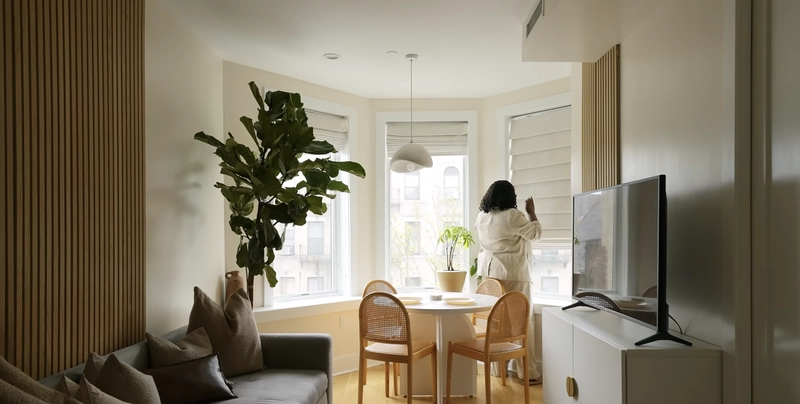
• Architectural Softness: We are seeing a move away from harsh, straight lines. Incorporating arched ceiling beams or organic shapes can soften the edges of a room, creating a striking architectural detail that complements natural features like bay windows while adding a sense of cozy character.
The Art of the Small Space
Living sustainably often requires maximizing smaller square footages, such as the increasingly common 640-square-foot urban condo. The mantra for the modern dweller should be to love your space regardless of its size, designing one room at a time to encapsulate a specific “feel” before moving to the next.
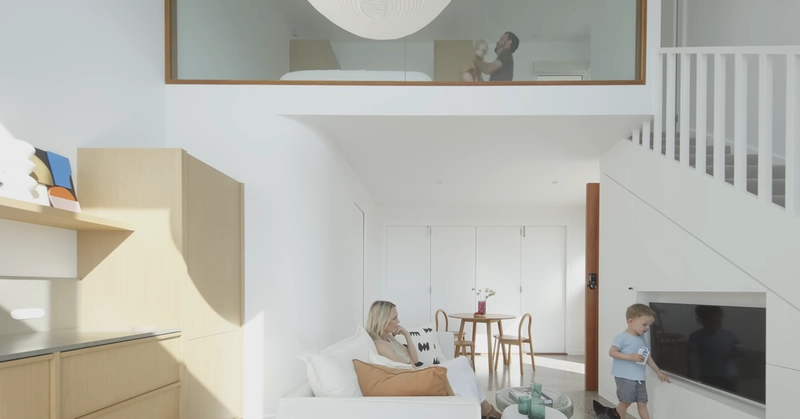
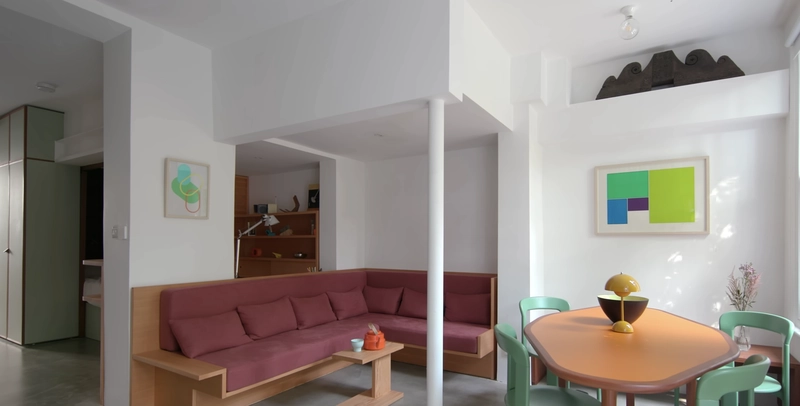
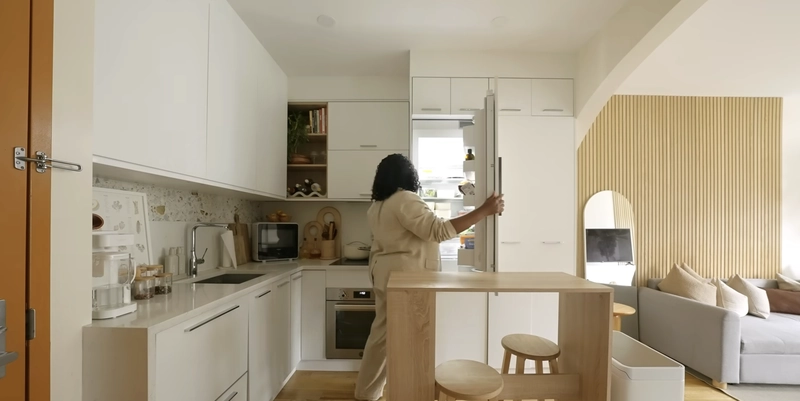
• Functional Flow and Zoning: In open-plan layouts, use lighting and texture to delineate spaces without physical walls. An organic-shaped Wabisabi-style pendant light can zone an entryway, while a dropped arched beam can separate a kitchen from a living area.
• Smart Structural Choices: To increase functionality, consider converting traditional swinging doors into pocket doors. This simple change can reclaim valuable floor space, allowing for the installation of custom cabinetry or larger closets.
• Multifunctional Furniture: The modern home demands versatility. I recommend investing in movable, multifunctional island tables that can serve as prep space, a breakfast nook, a home office desk, or an entertainment console when guests arrive.
Enhancing Comfort through Sensory Design
True comfort extends beyond what we see; it involves how a room sounds and how it works with natural rhythms.
• Acoustic Management: In an era of remote work, noise control is paramount. Fixed acoustic wall panels are a rising trend; they not only reduce echoes and noise but also add vertical texture and serve as an art piece behind furniture.
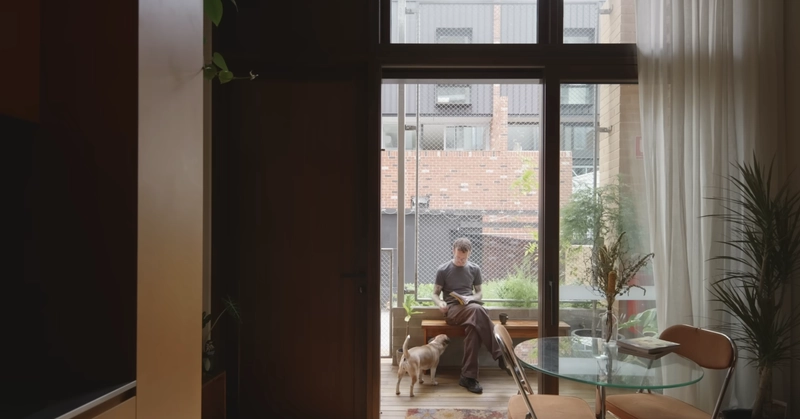
• Natural Light and Productivity: When designing your layout, position high-focus areas, such as a work desk, near sources of natural light like a balcony or large window. This creates a natural “nook” that enhances both mood and productivity during the workday.
• Minimalist Maintenance: Integrated appliances and custom millwork with clean fronts provide a minimalist look that reduces visual clutter, which is essential for maintaining a calm mind.
Ultimately, the most successful design choices are those that reflect your personal history while serving your daily needs. By blending cultural heritage with functional innovation, you can transform any dwelling into a timeless keepsake that you will love for years to come