The Generosity of Constraint: An Architectural Perspective on Modern Living
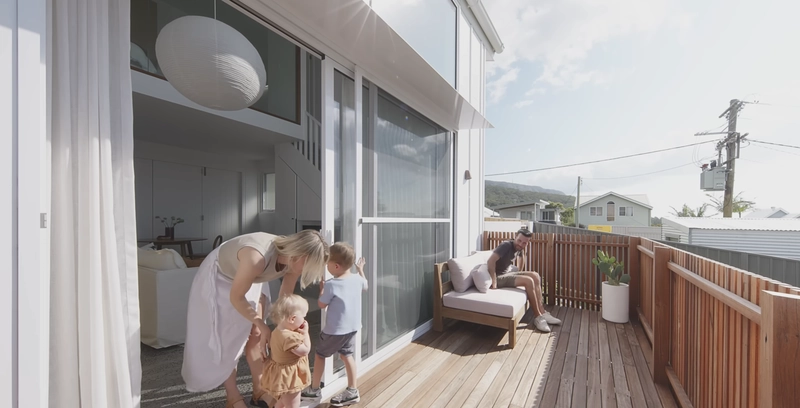
As architects, we are increasingly tasked with a fascinating challenge: how do we design for a modern life that is moving toward density without sacrificing the human need for light, air, and “generosity” of space? Modern living is no longer defined by sprawling square footage but by the transformative potential of the environment. In a recent project involving a 54-square-meter Victorian terrace in London, we explored how a “maze of walls” could be reimagined into a fluid, open home that prioritizes both function and the human spirit,.
The Alchemy of Spatial Efficiency
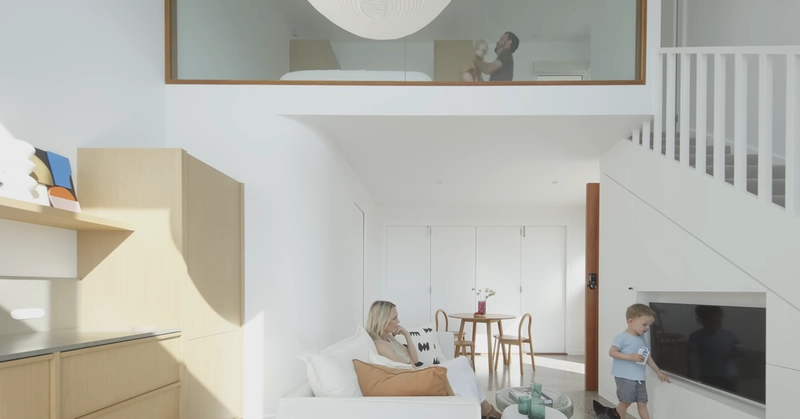
Spatial efficiency is not merely about “squeezing” functions into a small area; it is about creating a sense of wonder and openness where it previously felt confined,. In the London terrace project, we achieved this by removing the maze-like partitions and connecting the front of the flat to the back, allowing light to penetrate the entire depth of the home.
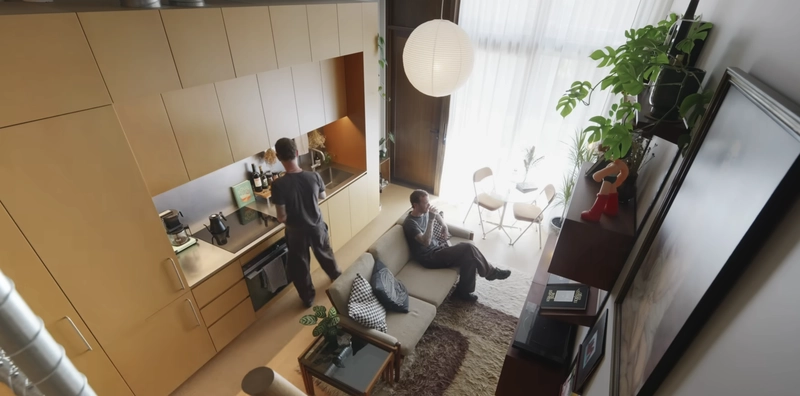
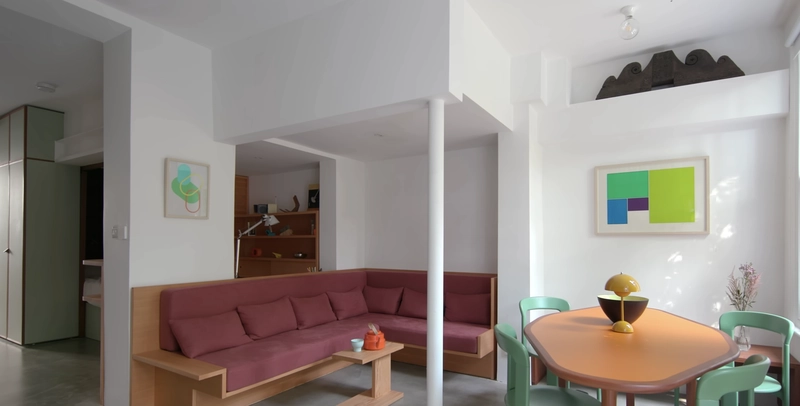
To maximize the footprint, we utilized sliding door elements that allow a single space to be subdivided into different zones based on the time of day or the need for privacy,. Instead of traditional bedrooms, we integrated sleeping pods that feature built-in storage both inside and out, pull-out drawers, and even integrated stairs for access,. Every piece of furniture must perform a dual role: a sofa is designed to appear “floating” to maximize visual floor space, while its armrests serve as side tables. Even the dining area employs a diamond-shaped table, which takes up a smaller footprint and allows for easier passage through narrow confines,.
Sustainable Materiality and Visual Continuity
In modern architecture, the materials we choose are as much about sustainability as they are about the psychological “feel” of a space. For this project, we prioritized natural materials and clever reuse. For instance, the kitchen worktop and backsplash were crafted from offcut wood, a choice that provides a continuous visual line to enhance the sense of openness.
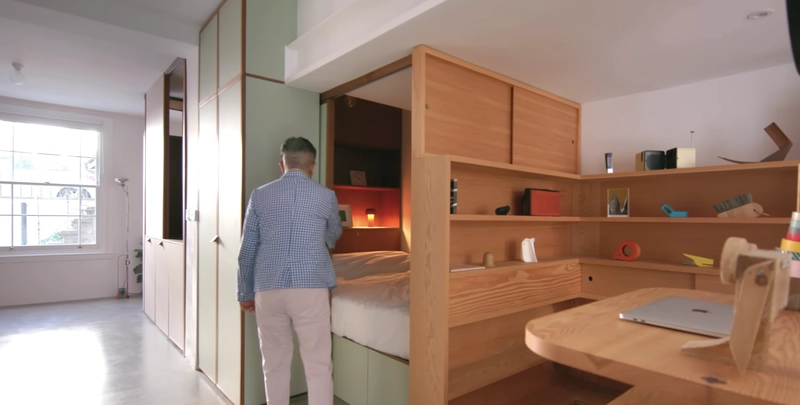
We often use Douglas fir to provide a distinct “sensibility and warmth” in study areas, contrasting it with more modern finishes like micro-cement in the bathroom,. Micro-cement is particularly effective in small spaces because it can be used on both floors and walls, removing visual boundaries and making a narrow room feel significantly larger. Furthermore, we utilize mirrors strategically to balance natural light and amplify the sense of space upon entry.
Architecture as a Bridge to Nature
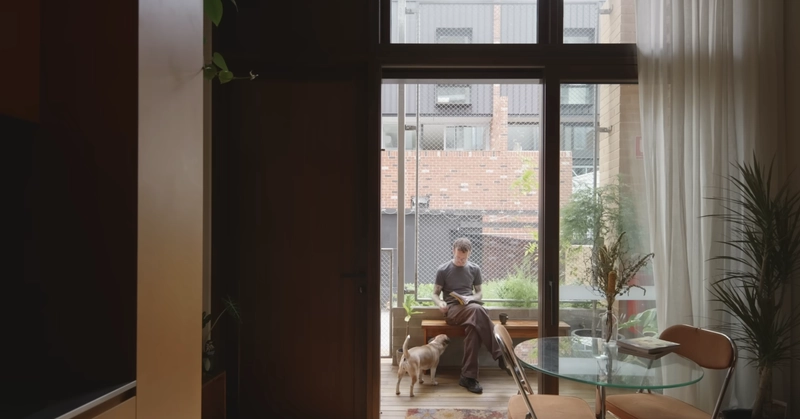
One of the most vital aspects of modern living is the relationship between the interior and the natural world. Even in an underground or lower-ground flat, architecture can act as a conduit for nature. In the London project, we purposefully shifted the layout so the desk and living areas face the garden, ensuring the residents feel constantly connected to the outside greenery,.
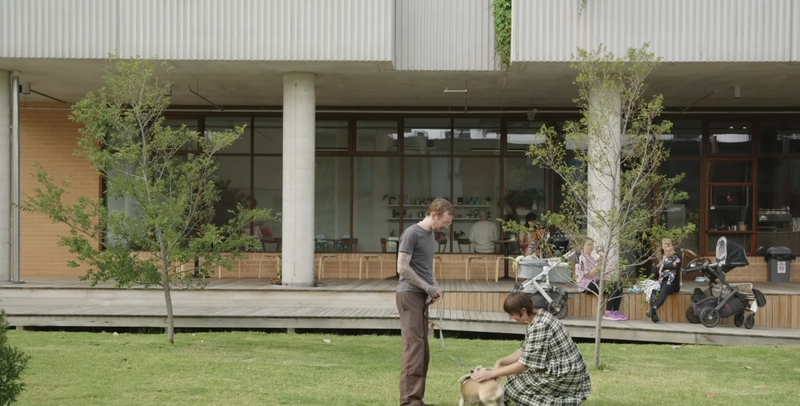
We view the garden—specifically one with mature trees—as a “massive plus” that informs the interior aesthetic. By using glass boxes integrated into the top of sleeping pods and high-level windows in narrow bathrooms, we ensure that light and views of the sky or greenery are never far away,.
Ultimately, the goal of modern architecture is to create that “aha” moment: the transition from a confined entrance into a space that breathes and opens up. By focusing on spatial flexibility, sustainable material choices, and a deep connection to the external environment, we can transform even the smallest footprint into a generous, vibrant home,.