The New Urban Sanctuary: How Lifestyle is Redefining the Modern Home
In the heart of Brooklyn’s historic Bedford-Stuyvesant neighborhood, a 640-square-foot condo serves as a testament to a growing global trend: the transformation of the “plain white box” into a highly functional, culturally resonant sanctuary. As urban centers face a chronic shortage of housing, a new generation of homeowners is proving that living well isn’t about square footage—it’s about how a space is engineered to support a modern, multifaceted lifestyle,,.
The Rise of “Afro-Japandi”
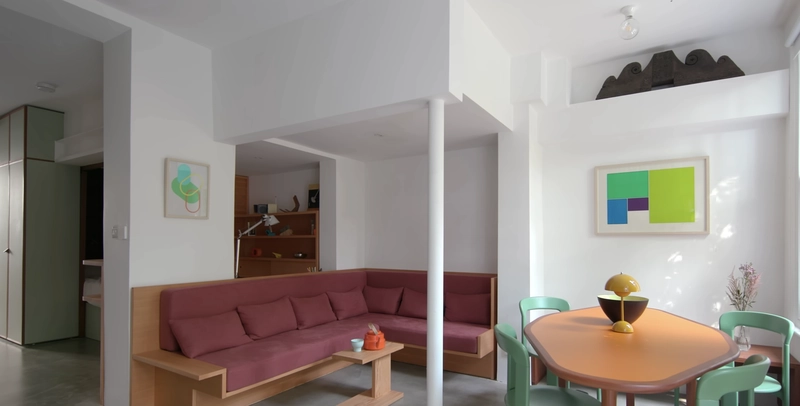
For Oen Entry, a British Nigerian industrial engineer, and her husband Jeff, a product designer, the concept of home is no longer just a place to sleep; it is a bridge between heritage and daily utility. They have coined their aesthetic “Afro-Japandi,” a style that blends the earth tones and furniture of their West African homeland with the minimalist, serene principles of Japanese and Scandinavian design.
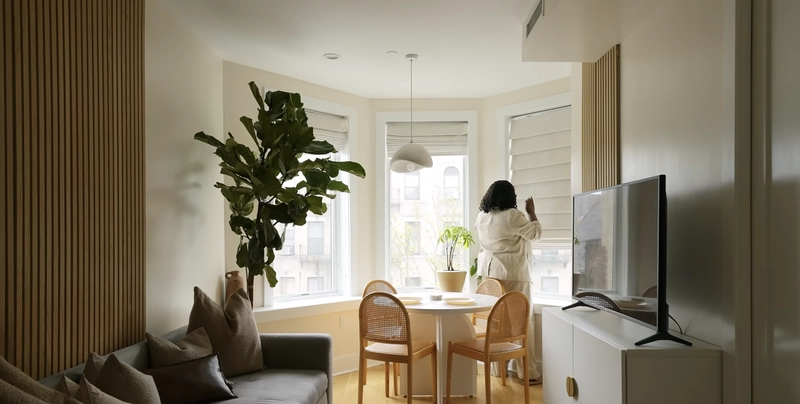
This hybrid approach is more than just a decorative choice. According to the sources, it is a deliberate effort to evoke serenity as a form of escape from the intensity of city dwelling. By utilizing organic shapes, such as wabi-sabi style pendant lighting and arched ceiling beams, homeowners are finding ways to “soften the edges” of modern construction and create warmth in monochromatic urban environments,.
Engineering Every Inch
The shift in how we live is perhaps most visible in the technical “hacks” required to make small footprints viable for long-term residency. Modern dwellers are no longer accepting the “typical” lack of storage found in major cities like New York.
Drawing from Entry’s industrial engineering background and guidance from interior designers, the couple implemented several architectural shifts to reclaim space:
• The Utility Swap: By converting a bulky water tank into a wall-mounted instant heater, they transformed a utility closet into a functional storage area.
• The Pocket Door Revolution: Replacing traditional swinging doors with pocket doors—which slide directly into the wall—created enough clearance to install custom closet units in both the kitchen and bedroom,.
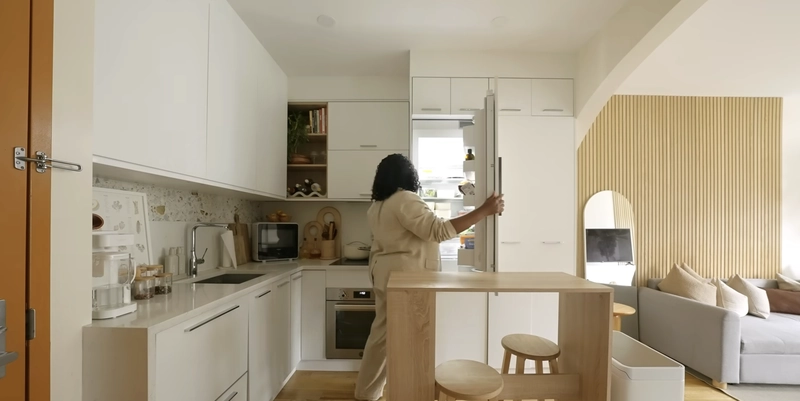
• Multifunctional Zones: In a world where the home often serves as an office, gym, and dining room, furniture must be “moveable and multifunctional”. A central island table in the kitchen serves as a prep station, a quick-bite breakfast bar, and an overflow workspace when working from home.
The Work-From-Home Evolution
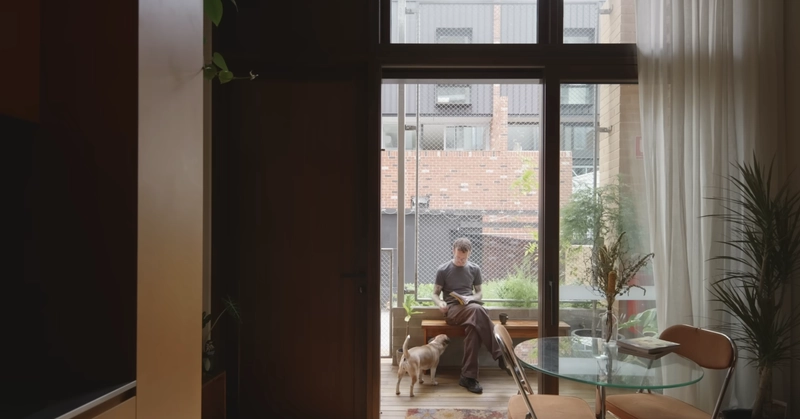
The modern home must now function as a professional environment without sacrificing domestic comfort. The sources highlight the use of fixed acoustic wall panels to “zone” the living area while reducing echoes and noise—a critical feature for remote workers. Furthermore, the layout of the bedroom was redesigned to place a desk near the Juliet balcony, ensuring access to natural light throughout the workday, which is essential for mental well-being in a small space.
Sustainability and the Future of Urban Housing
Beyond individual aesthetics, the way we live is being reshaped by the economic realities of the 21st century. In major cities, the demand for housing far outstrips the supply. The sources suggest that reconstructing heritage homes into boutique buildings is a key strategy for the current generation to achieve sustainable homeownership.
By “zoning” small spaces with lighting, mirrors, and architectural details like dropped arches, residents are able to create a sense of “extended height” and “flow” in areas that would otherwise feel cramped,,. As Oen Entry summarizes her mantra, the goal is to “love your space no matter the square footage,” ensuring that the modern home is a place designed to be loved “now and for years to come”.