The Art of the Compact: How Architecture Redefines Modern Living
As an architect, I often observe that the modern living experience is undergoing a profound transformation. We are moving away from the “bigger is better” philosophy toward a more intentional, spatial efficiency-driven approach. A prime example of this shift is the “Cal Beach Studio,” a 40sqm transformation of a former metal-frame double garage into a sustainable family home. This project serves as a masterclass in how architecture can influence our quality of life through three critical pillars: spatial ingenuity, material sustainability, and a deep-rooted connection to the natural environment.
Maximizing the Minimal: Spatial Efficiency
In modern urban and coastal design, square footage is no longer the sole metric of luxury; rather, it is how we utilize the volume of a space. By converting a standard garage footprint, architects can prove that small-scale living does not require a sacrifice in comfort.
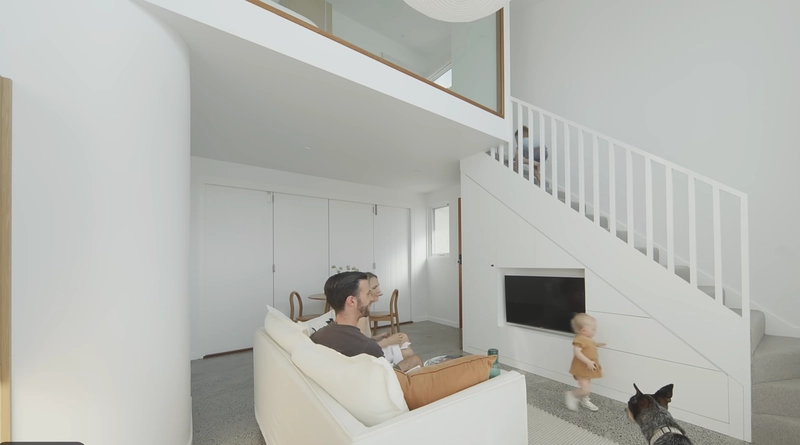
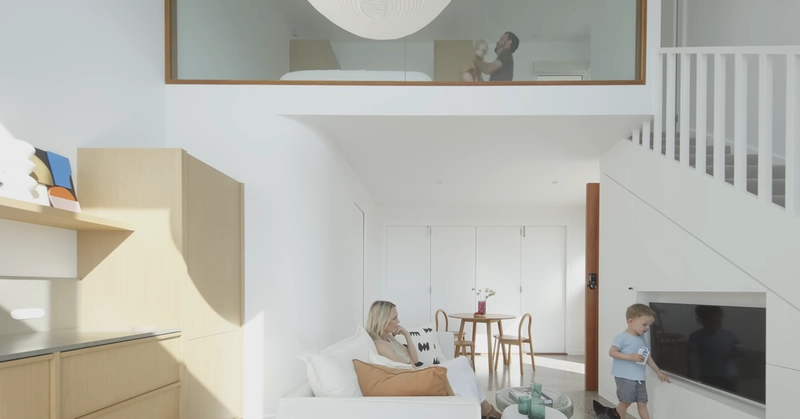
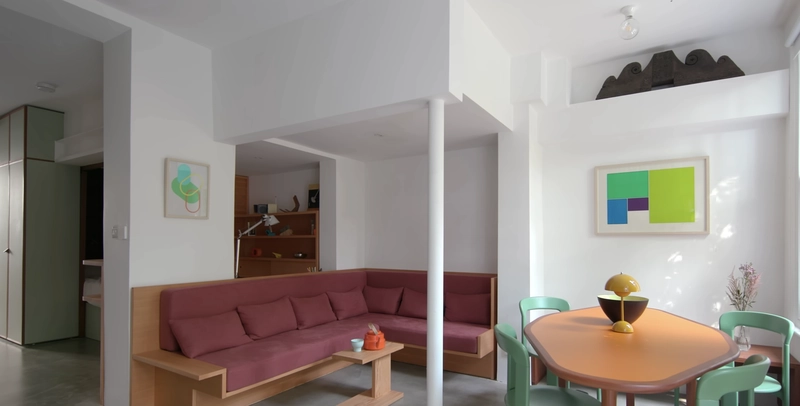
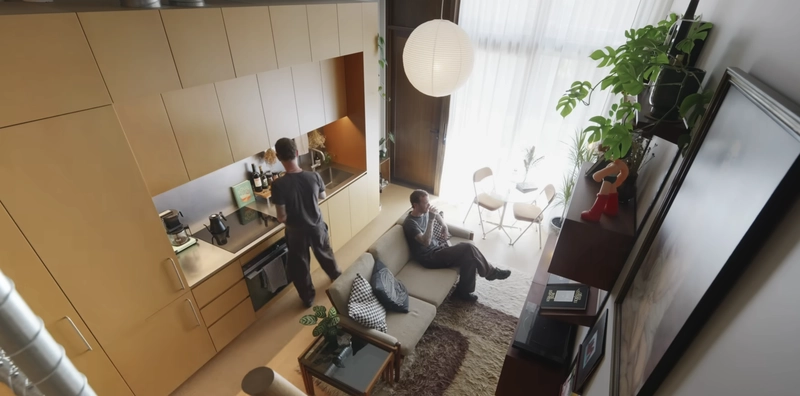
One of the most effective strategies for spatial efficiency is the use of verticality. In the Beach Studio, a 6-meter ceiling height in the living area compensates for the narrow width of the building. This allows for a mezzanine sleeping area, which separates private quarters from the communal ground floor. Furthermore, every centimeter must be functional. This is achieved through integrated joinery, such as pull-out drawers for toys and books, full-length cupboards for household items, and storage tucked beneath stairs and beds. Even furniture must be flexible; for instance, using side tables that double as outdoor stools allows the home to adapt to the inhabitants’ immediate needs.
The Ethics of Materiality: Sustainability
From an architectural standpoint, modern living must be synonymous with environmental responsibility. Choosing sustainable materials is not just about the “look,” but about the embodied energy of the structure.
The sources highlight several key strategies for sustainable building:
• Repurposing existing structures: Utilizing an original concrete slab as the foundation and floor reduces the need for new, high-emission materials.
• Low-carbon footprints: Utilizing prefabricated panels and sourcing materials from local suppliers minimizes the carbon costs associated with construction and transport.
• Innovative alternatives: While concrete is often desired for its aesthetic, it has high embodied energy. Architects can instead opt for recycled glass benchtops to achieve a similar look with a much lower environmental impact.
• Longevity and Patina: Using materials like timber and tumbled brass adds warmth and allows the home to “age” gracefully, as these materials patina beautifully over time when exposed to elements like salt air.
Architecture as a Bridge to Nature
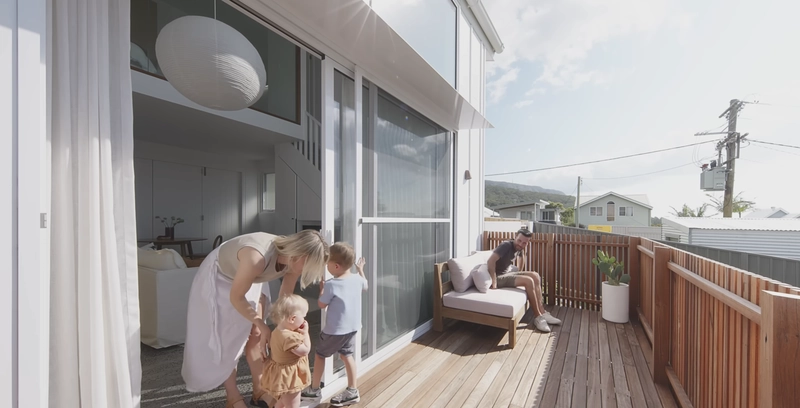
Finally, modern architecture must prioritize the relationship between the inhabitant and the outdoors. In the Beach Studio, the design is “anchored” between a mountain escarpment and the ocean.
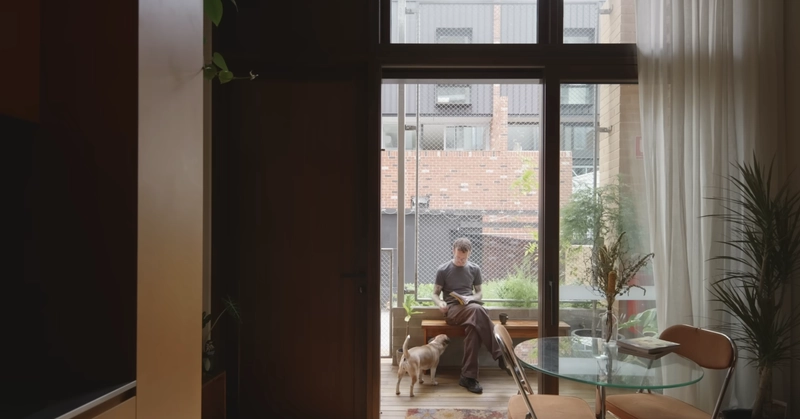
To influence modern living positively, a home must facilitate natural light and ventilation. By maintaining the original location of garage doors and using large bifold or sliding glass doors, architects can encourage cross-ventilation, reducing the need for mechanical cooling. North-facing windows are essential for harvesting light in previously dark corners, while large glazed panes with recycled timber frames can frame views of the surrounding landscape, making a small interior feel expansive.
Conclusion: The “Feel” of a Space
Ultimately, the goal of modern architecture is to create a space that “feels good to be in”. When we design with spatial efficiency and sustainable materials, we create a flexible environment that can accommodate multi-generational living—such as a family raising children or an elderly parent moving in. By focusing on light, acoustics, and a connection to nature, we ensure that the architecture of today supports a more mindful and harmonious way of life for tomorrow.