The Art of Intentional Living: Designing for Comfort, Mood, and Sustainability
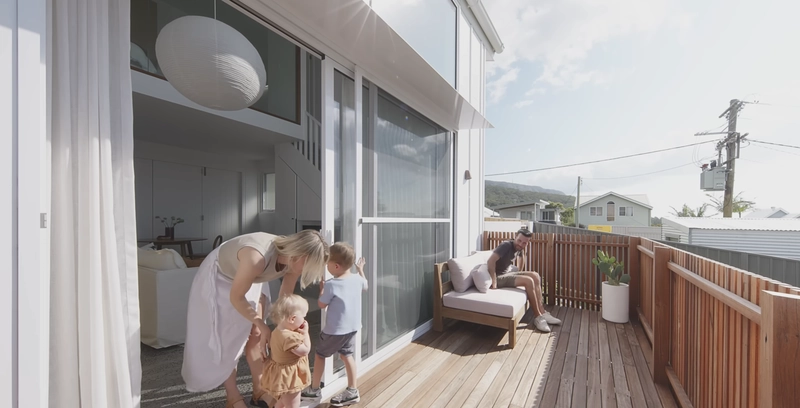
In the modern era of interior design, we are witnessing a profound shift away from “more is better” toward a philosophy of intentionality and sustainable compact living. As an expert in the field, I have observed that the most successful homes today are not defined by their square footage, but by how effectively they utilize space to enhance the occupant’s well-being. By examining projects like the Coledale Beach Studio—a remarkable 40sqm transformation of a former double garage—we can identify key trends that define contemporary design: sustainability, flexibility, and the psychological impact of materiality,.
1. Embracing the Small Footprint: Quality Over Quantity
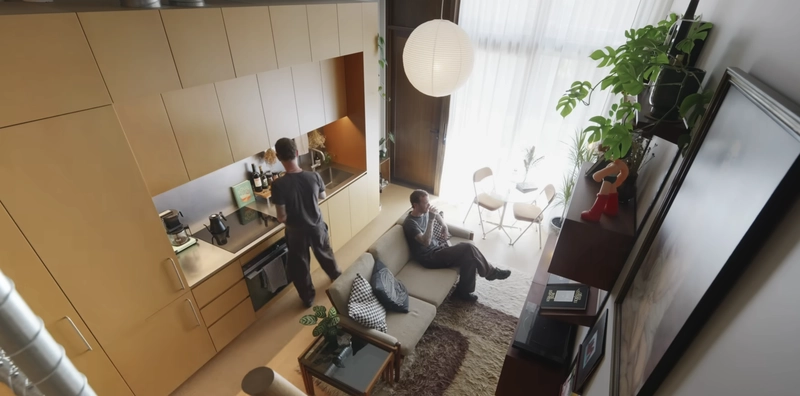
One of the most significant current trends is the movement toward small-footprint homes. Designing in a smaller area presents a unique challenge that often results in more creative and efficient solutions. A major advantage of a compact build is the ability to reallocate the budget; because there are fewer square meters to develop, homeowners can invest in higher-quality fixtures, finishes, and materials that might be cost-prohibitive in a larger residence.
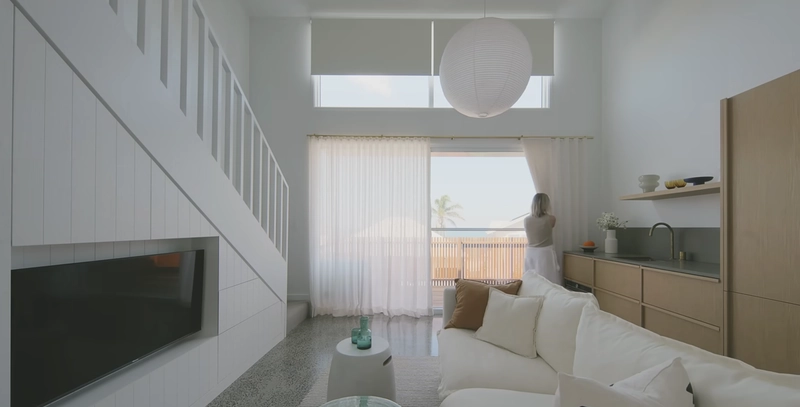
For instance, converting an existing structure, such as a metal-frame garage, into a living space is a masterclass in sustainability,. By retaining the original concrete slab as a polished floor, designers can reduce the carbon footprint of a project while introducing a raw, industrial texture that grounds the home,.
2. Designing for Mood: Light, Air, and Softness
The physical environment has a direct impact on our psychological state. To foster a sense of calm and openness, current trends emphasize maximizing natural light and ventilation.
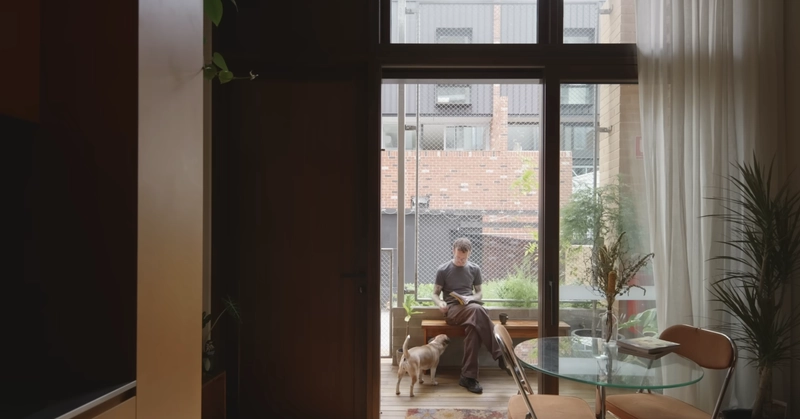
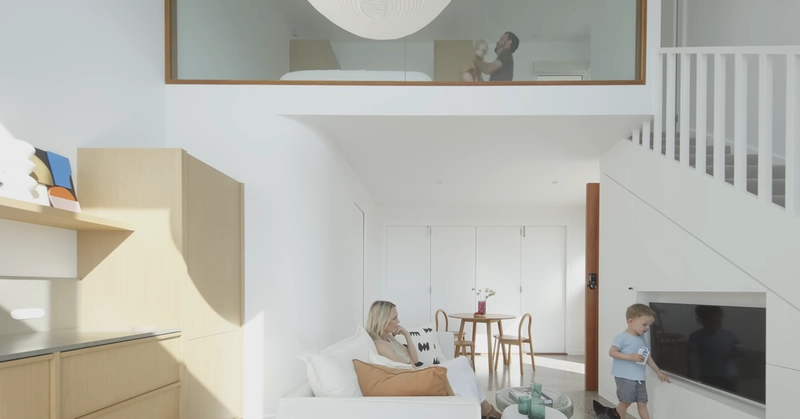
• Light as a Catalyst: In dark corners, adding north-facing windows or large glazed panes can transform the atmosphere from cramped to restorative,. High-level windows and double-glazed sliding doors allow light to filter through different levels of a home, which is essential for maintaining a positive mood,,.
• Acoustic Comfort: In small, open-plan spaces, noise can become a stressor. Incorporating soft materials, such as carpeted stairs, helps absorb sound and provides a quieter, more peaceful environment.
• The Power of Curves: To mitigate the “boxy” feel of small structures, designers are increasingly using curved walls to soften transitions between rooms,. This architectural choice creates a more fluid, organic flow that feels gentler to the eye.
3. Materiality and the “Living Finish”
Modern interiors are moving toward materials that tell a story. While concrete aesthetics are popular, they often carry high embodied energy. An eco-friendly alternative gaining traction is recycled glass bench tops, which provide a similar aesthetic with a much lower environmental impact.
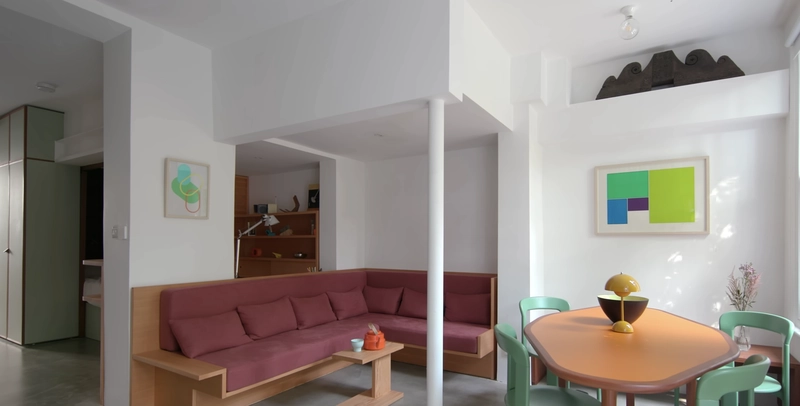
Furthermore, we are seeing a return to “living finishes” like tumbled brass for fixtures. Unlike static coatings, these materials patina over time, especially when exposed to elements like salt air, allowing the home to age gracefully and develop a unique character,. To balance the coolness of stone or metal, the integration of timber joinery is essential for adding warmth and a sense of “home”.
4. Expert Advice: Flexibility and Invisible Storage
To maintain a clutter-free environment—which is vital for mental clarity—your design must prioritize integrated, multifunctional storage.
• Utilize Dead Space: Look for opportunities under stairs or under beds for large pull-out drawers to house shoes, toys, and seasonal clothing,,.
• Vertical Thinking: Use full-length cupboards for tall items like brooms and vacuums, but incorporate semicircular cutouts in shelving to allow for horizontal storage of smaller items simultaneously.
• Flexible Furniture: Choose pieces that serve multiple purposes. A side table that can be moved outside to double as a stool, or indoor stools that act as side tables when not in use, ensures the space remains adaptable to your needs,.
Conclusion
Current interior design is no longer just about aesthetics; it is about creating a sanctuary that respects the environment and supports the human spirit. By focusing on sustainable sourcing, the strategic use of light, and clever, flexible layouts, any space—no matter how small—can become a high-performance home that feels as good as it looks.