The New American (and Australian) Dream: Why Less is Becoming Much More
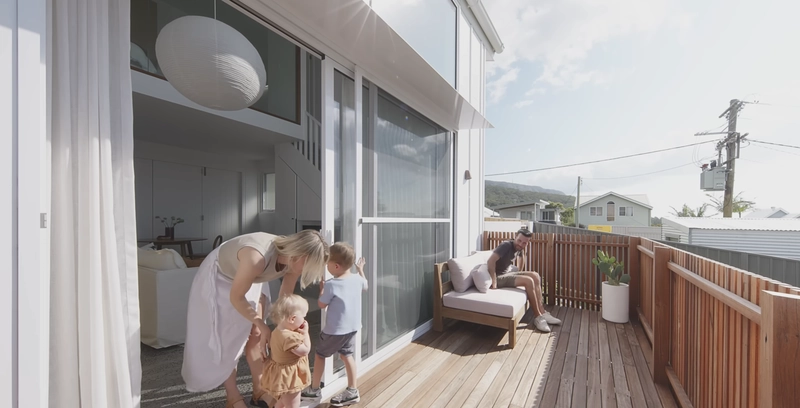
In the quiet, tranquil Beachside suburb of Coledale, Australia, a metal frame double garage has undergone a radical transformation that reflects a growing global trend in modern housing,. This 40-square-meter (431 sq. ft.) studio is more than just a renovation; it represents a fundamental shift in how people are reshaping their lifestyles to prioritize sustainability, flexibility, and high-quality design over sheer square footage,,.
From Storage to Sanctuary
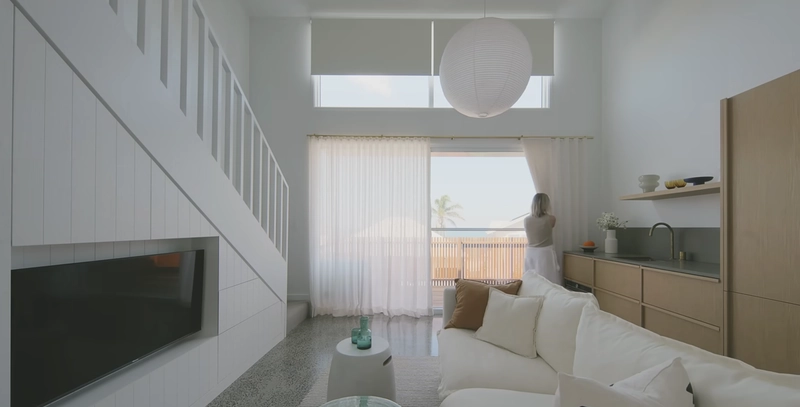
The Coledale Beach Studio was born from a “sea change,” as one family moved from the inner West of Sydney to the South Coast of New South Wales,. Originally intended as a temporary dwelling, the studio was converted in 2022 from an existing detached garage,. While the original concrete slab and the location of the doors remain, the rest of the structure is a masterclass in small-footprint living.
“I think designing small spaces is really interesting and personally I love the challenge,” says the homeowner, noting that while larger spaces offer many options, smaller layouts require a precise focus on privacy and light to be successful. Because there are fewer square meters to build, owners are finding they can invest in higher quality fixtures and finishes that might be cost-prohibitive in a traditional-sized home.
Design That Breathes
One of the primary challenges of compact living is avoiding a cramped atmosphere. In the Coledale project, designers utilized several clever strategies to expand the sense of space:
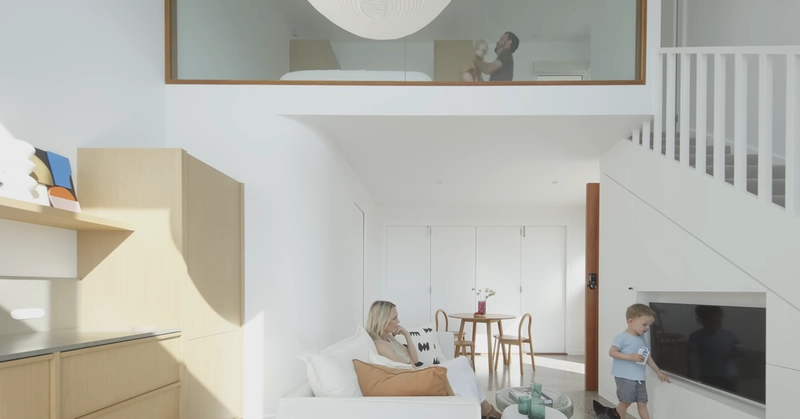
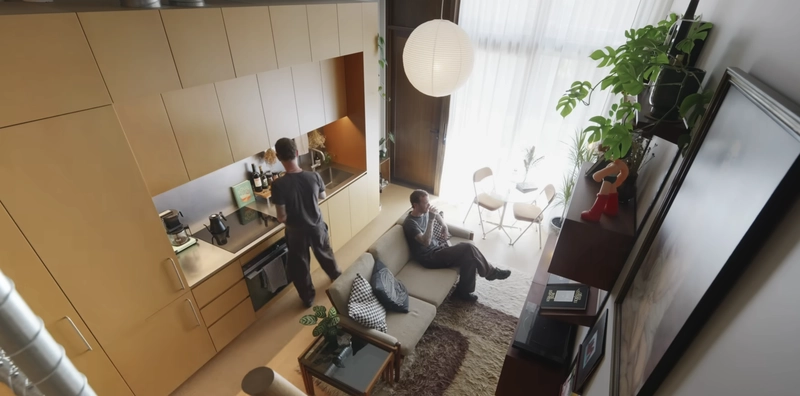
• Verticality: The living room boasts a 6-meter ceiling height, making up for what the room lacks in width.
• Multi-functional Furniture: Side tables double as outdoor stools, and the dining area features stools that serve as side tables when not in use,.
• Integrated Storage: Massive pull-out drawers were designed for toys and backpacks, while a full-length cupboard with semicircular cutouts accommodates long household items like brooms.
• Natural Light: Large north-facing windows and double-glazed sliding doors allow light to flood the space, while the original garage door opening now facilitates cross-ventilation,,.
The Sustainable Footprint
Modern homeowners are increasingly driven by a desire for a low carbon footprint. The Coledale studio was constructed using prefabricated panels and locally sourced materials wherever possible. Notably, the kitchen features recycled glass benchtops, which provide the aesthetic of concrete—a material often criticized for its high embodied energy—in a much more sustainable way. Even the bathroom fixtures are designed to “patina beautifully over time” when exposed to the salt air, emphasizing a home that ages gracefully rather than requiring constant replacement,.
A Home for Every Life Stage
Perhaps the most significant shift in the concept of “home” is the move toward multi-generational and flexible living. The family of four, including two young children and a dog, lived in the 40-square-meter studio together, creating “memories that we treasure for a really long time”.
As their needs changed, the family moved into the main house on the property, and the studio is now being prepared for the homeowner’s mother to move in. This “better use of the site” provides the flexibility for families to stay together on the same land while maintaining individual privacy through separate entries and clever zoning, such as a mezzanine sleeping area separated by a glazed door,,.
Ultimately, the trend toward smaller, more intentional living spaces suggests that the modern home is no longer defined by its size, but by how well it supports the human experience. As the Coledale project proves, when a space is designed with light, acoustics, and quality in mind, it doesn’t just look beautiful—it “feels good to be in”.