The Art of Small Living: Transforming Space into Sanctuary
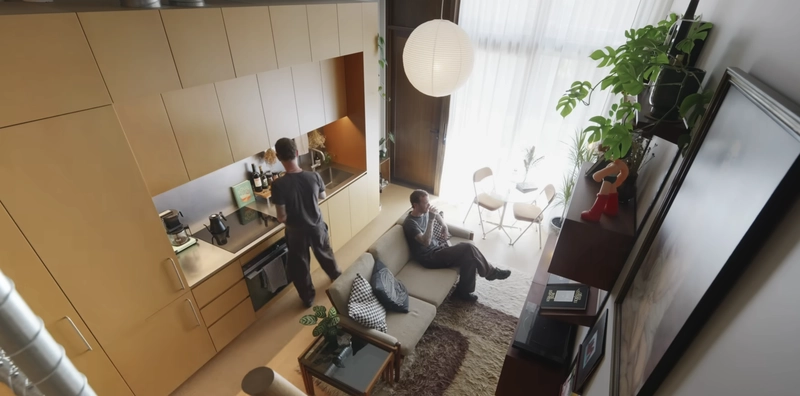
In the contemporary landscape of interior design, we are witnessing a profound shift toward small space living, where the focus is no longer just on square footage, but on the “sense of wonder” and transformation that can be achieved through thoughtful, simple elements. As an interior design expert, I have found that the most successful homes today are those that prioritize a light and open feel, moving away from a traditional “maze of walls” to create environments that breathe and adapt to our needs.
The Power of Transformative Zoning
One of the most significant trends in modern design is the move toward transformative spaces that utilize sliding door elements to subdivide a home into different zones. This approach allows for a fluid floor plan where a space can be “divided off” for privacy—such as between “sleeping pods”—or opened up to maintain a “sight line” from the front of the home to the back. By using sliding doors, you can play with the openness of your home, catering to your mood whether you desire social connection or secluded quiet.
Visual Continuity and the Illusion of Space
To improve both comfort and mood, we must consider how design choices affect our visual perception. Current trends emphasize visual continuity to make smaller footprints feel “generous” and “spacious”.
• Mirrors as Sculptural Elements: Beyond their utility, mirrors should be used to “balance the light” and “amplify the sense of space,” especially upon entering a main living area.
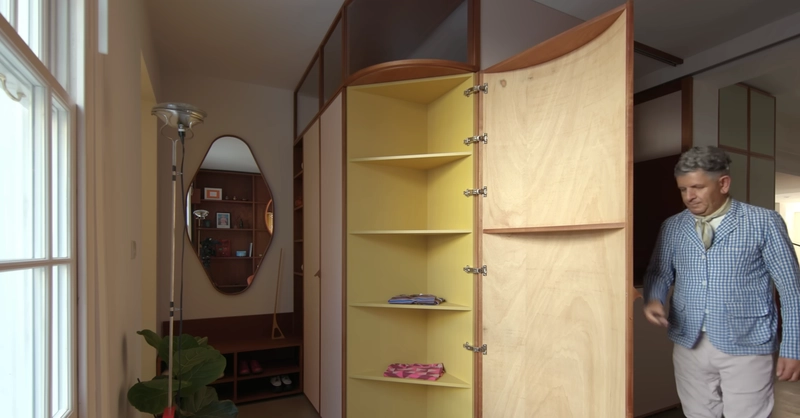
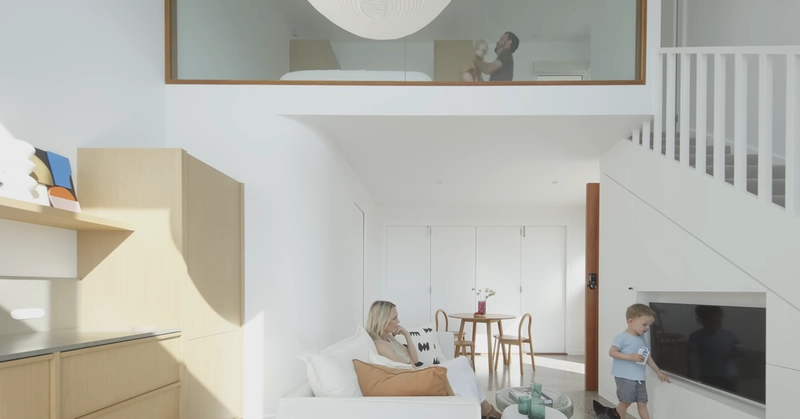
• Floating Furniture: To maximize seating without crowding a room, opt for “floating” furniture, such as a cantilevered sofa. This creates an “extra visual sense of space” by keeping the floor visible beneath the piece.
• Continuous Materials: Using the same material for both worktops and splashbacks, or using micro-cement across both floors and walls, creates a “continuous line” that removes visual boundaries and makes a room feel larger.
Materiality and Sensory Warmth
The choice of materials is the heartbeat of a home’s “sensibility and warmth”. Natural materials, such as Douglas fir, provide a tactile and visual softness that is essential for areas meant for focus or relaxation, like a study or bedroom. We are also seeing a trend in sustainable innovation, such as using “offcut wood” for worktops, which adds a unique graphic feel while maintaining an eco-conscious footprint.
Designing for Comfort and “The Aha Moment”
A home’s layout should be a journey. There is a specific psychological benefit to the “aha” moment—the feeling of moving from a “confined entrance” into a space that suddenly “opens up” in front of you.
• Ceiling Heights: You can use lower ceilings as a feature to create “coziness” in specific areas, like a study, which then makes the transition to a high-ceilinged, light-filled living area feel more dramatic and uplifting.
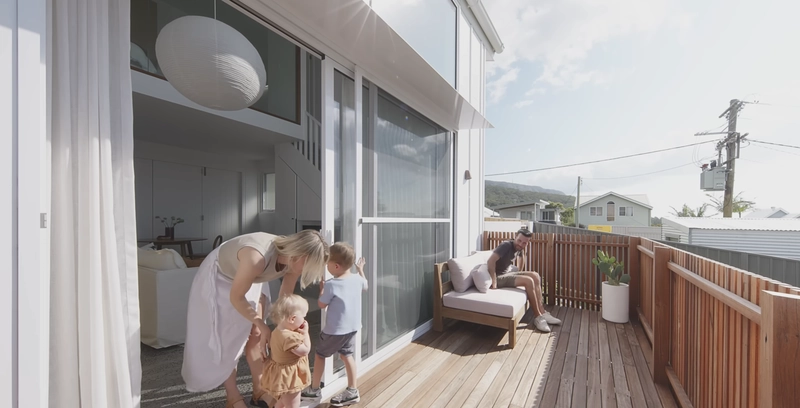
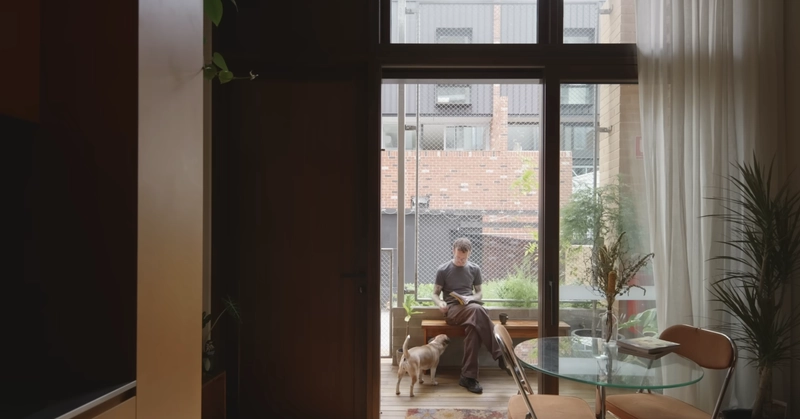
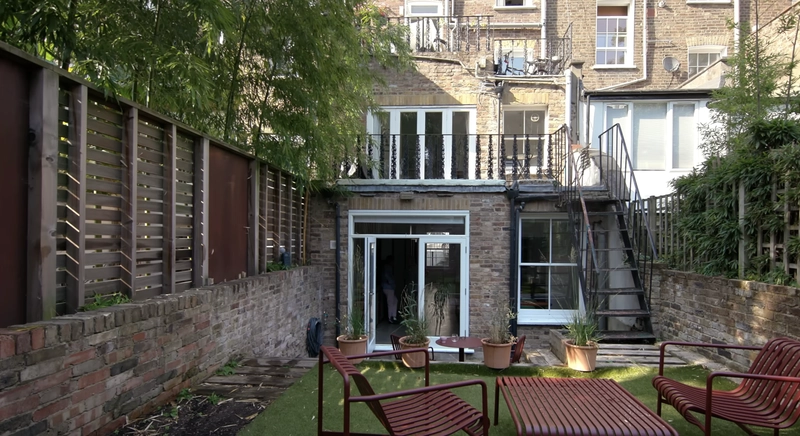
• Biophilic Connection: Integrating views of a “mature garden” or framing “big trees” through windows connects the interior to the outside, making the space feel “really green” and alive.
Strategic Storage and Vivid Accents
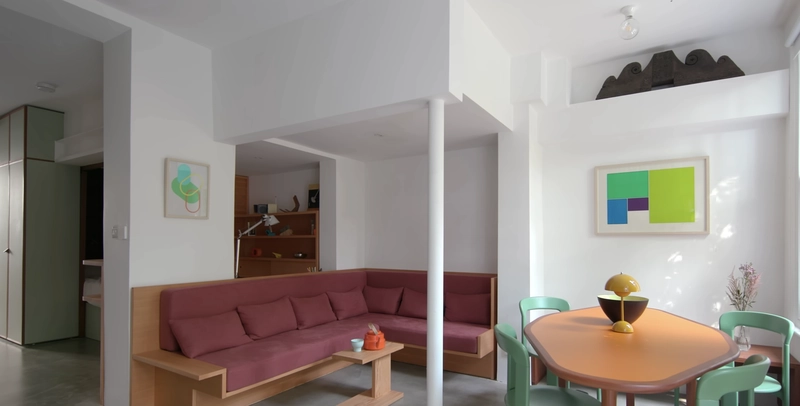
Clutter is the enemy of a calm mood. Modern trends favor integrated, multifunctional storage, such as “sleeping pods” with storage hidden “under the bed,” above the pod, and even within stairs. When it comes to color, I recommend a balanced approach. While maintaining light, neutral tones on the main walls helps with openness, you can inject personality and energy using vivid colors—like “bright yellow” or “bright blue”—inside wardrobes or cabinets. This allows for a burst of character that doesn’t “take over the space” or overwhelm the senses.
By focusing on these elements—zoning, visual continuity, natural materials, and smart storage—you can transform even the smallest footprint into a high-functioning sanctuary that elevates your daily mood and provides lasting comfort.