The Big Shift: How Modern Living is Redefining the 54-Square-Meter Home
In the heart of Islington, North London, a Victorian terrace house stands as a testament to a growing global trend: the radical reimagining of urban living spaces. As city dwellers increasingly prioritize central locations and sustainable lifestyles, the traditional “maze of walls” found in historic properties is giving way to a new philosophy of transformative, open-plan design.
The Challenge of the “Maze”
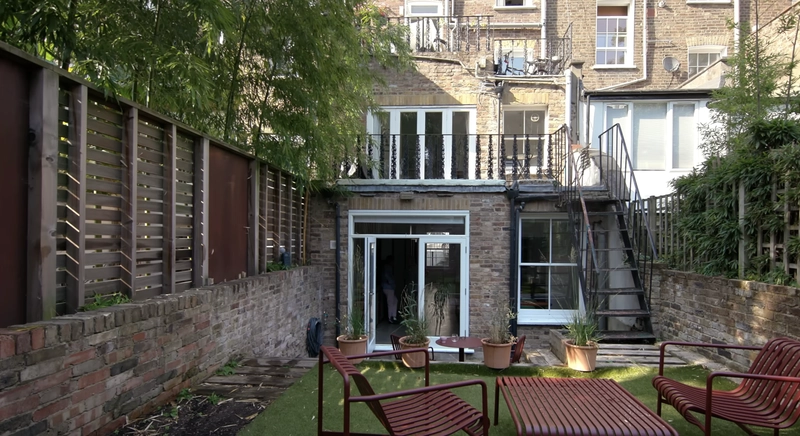
For many, the dream of living in a beautiful, tree-lined London street comes with a compromise—limited square footage. Nina Tolstrup, of Studio Mama, describes a common scenario when first encountering these spaces: “It was really a maze of walls and really run down,” she says of a recent 54-square-meter (581sqft) project. The challenge for modern designers is no longer just about decoration; it is about transforming small, dark footprints into areas that feel generous and light-filled.
Zoning Through Movement
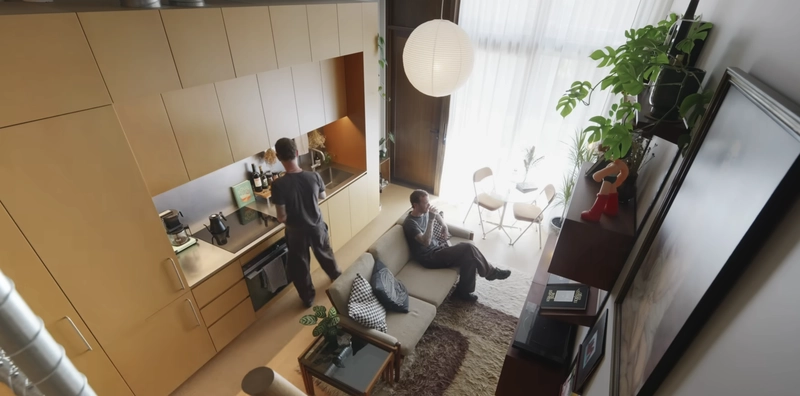
One of the most significant shifts in modern home design is the move away from static rooms toward multipurpose zones. By utilizing sliding door elements, residents can subdivide their homes on the fly, creating privacy for “sleeping pods” or opening the entire length of the flat to maintain a continuous sightline from front to back.
This fluidity allows a single space to serve as a home office, a dining area, and a sanctuary. In the Islington project, Tolstrup and her team experimented with:
• Integrated Workspaces: A study area with a desk that easily switches between sitting and standing positions, ensuring the home adapts to the user’s physical needs.
• Privacy Pods: Two sleeping areas separated by large sliding doors, allowing for a “movement in the space” that creates instant privacy without the permanence of a brick wall.
The Art of Visual Expansion
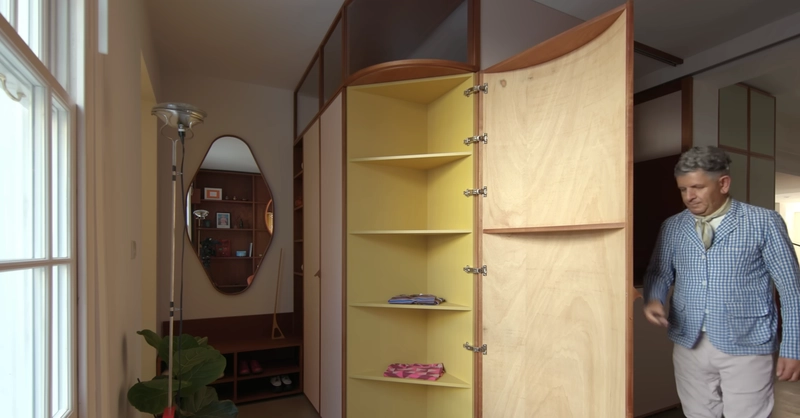
To combat the claustrophobia often associated with lower-ground-floor living, designers are employing clever optical tricks. Strategic mirror placement is used to balance light and amplify the sense of space upon entry. Similarly, the use of micro-cement on both bathroom floors and walls removes visual boundaries, making narrow rooms feel significantly larger.
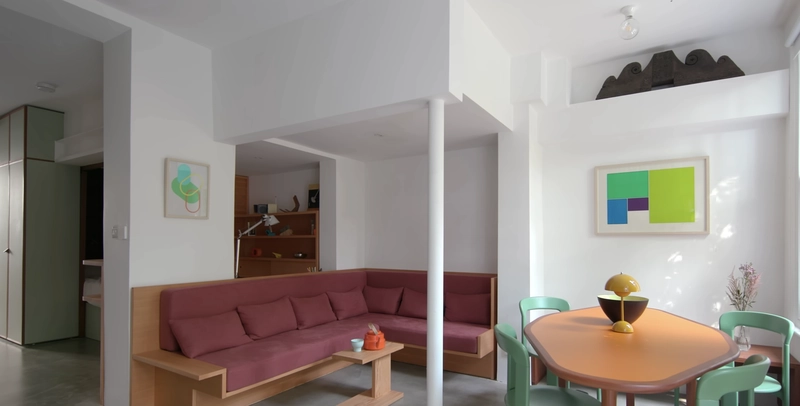
Furniture, too, is being redesigned to take up less “visual weight.” Studio Mama utilized a “floating” sofa design to maximize seating while leaving the floor visible, which creates an extra sense of openness. Even the dining table was reimagined as a diamond shape, allowing for a smaller footprint and easier passage through narrow confines.
Materiality and the “Aha” Moment
While the layout is technical, the feel of a modern home is increasingly rooted in natural materials and sustainability. Using Douglas fir for warmth and worktops made from offcut wood, modern spaces aim for a “sensibility and warmth” that balances their high-functionality.
The ultimate goal of these design choices is what Tolstrup calls the “aha” moment—the sensation of moving from a confined entrance into a space that suddenly transforms and opens up before you. By integrating storage into every available nook—from “curbs” for cutlery to pull-out units under beds—the clutter of modern life is hidden, leaving only the “vibrant” and “sculptural” elements of the home on display.
Note: While the specific design solutions mentioned are drawn from the provided source regarding a London terrace project, the broader context of urban living trends is a general observation of modern architectural shifts and may require independent verification.