The Architecture of Intimacy: Redefining Modern Living through Micro-Design
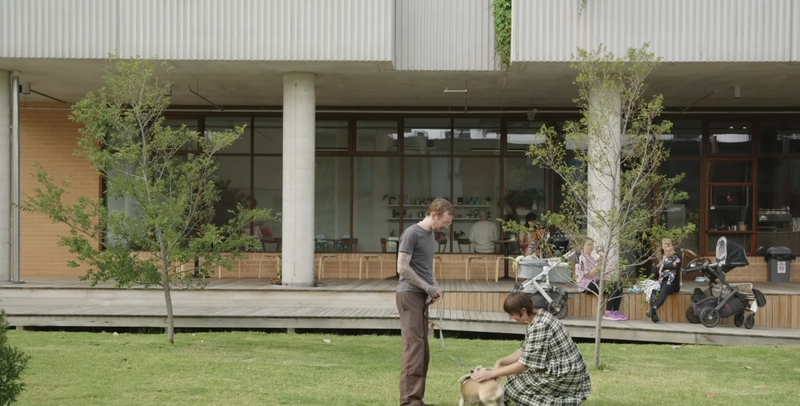
As architects, we often face the challenge of transforming the “mechanical” nature of construction into a “humanized” sanctuary that reflects a resident’s soul. In an era where urban footprints are shrinking, our role is no longer just about building structures; it is about choreographing life within limited dimensions. By analyzing a recent 24-square-meter micro-loft project in Quezon City, Philippines, we can see how the intersection of spatial efficiency, materiality, and natural harmony defines the future of modern living.
The Precision of Spatial Efficiency
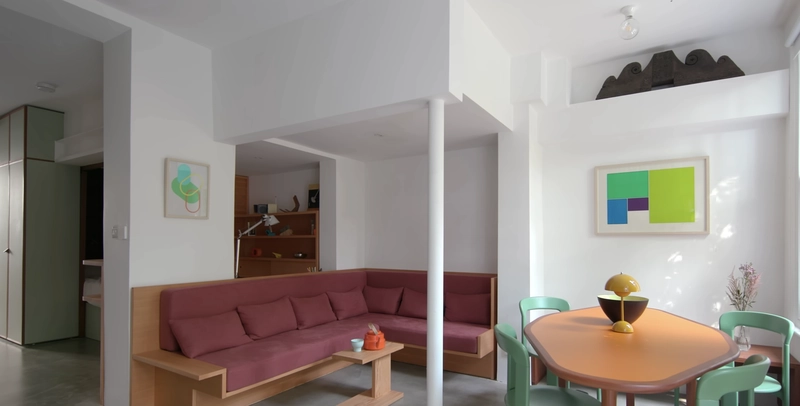
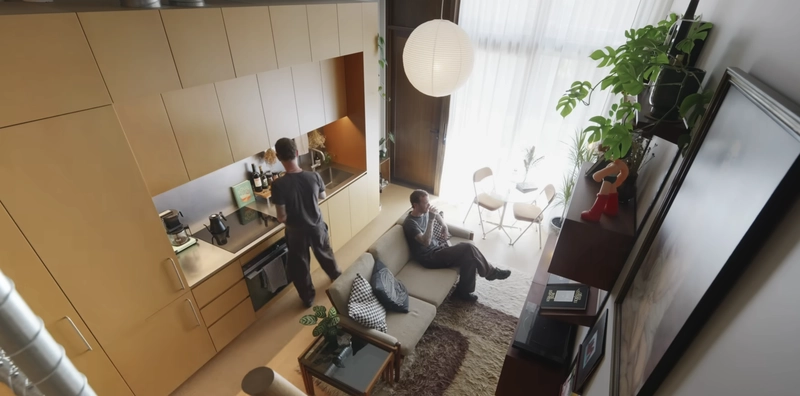
In micro-living, the mantra is clear: every square meter matters. We must approach design with a surgical precision that accounts for every millimeter. In this 24sqm apartment, spatial efficiency was achieved by playing with geometries to maximize “odd corners” for storage and display.
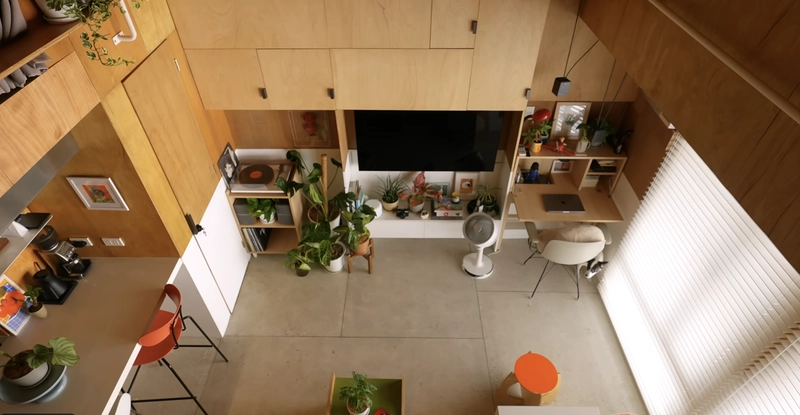
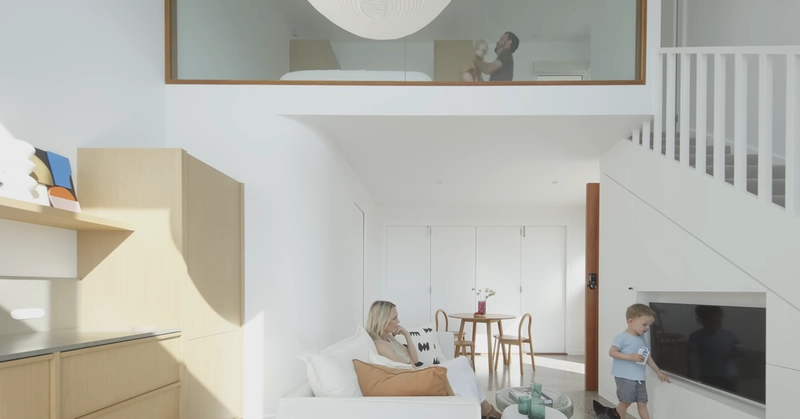
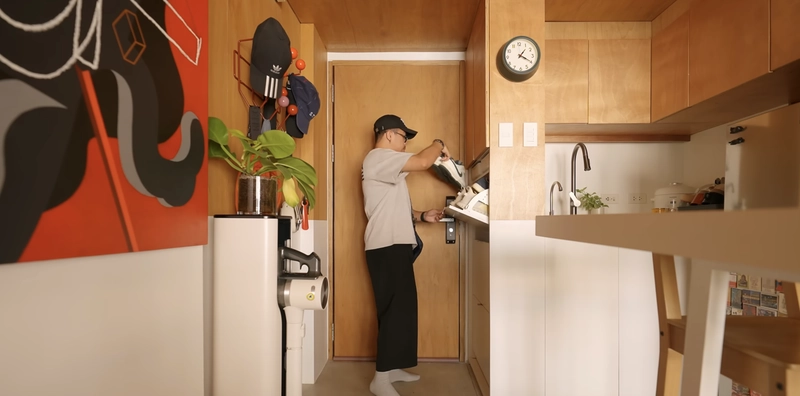
To reclaim floor space, we utilize verticality and multifunctionality. For instance, the addition of a loft allows the kitchen layout to be reconfigured while creating a “tunnel-like experience” at the entrance that eventually opens into a full-height living area. Within these spaces, custom joinery is the architect’s greatest tool. A single multifunctional unit can integrate a TV, a media center, and a fold-out desk for a home office, ensuring that no space remains “dead”. Even the staircase—often a space-taker—can be reimagined as a series of platforms that double as a dog bed, extra seating, or storage.
Sustainable Materiality and the Human Touch
Modern living demands a thoughtful approach to materials. From an architectural perspective, sustainability often begins with sourcing local materials to reduce the carbon footprint of a build. In the Quezon City loft, we utilized local plywood for wall cladding and Adobe stones in the bathroom.
The choice of materials also dictates the emotional temperature of a home. We often balance industrial durability with organic warmth:
• Concrete and Metal: Custom-poured cement floors with integrated metal rods provide a contemporary, resilient foundation.
• Wood: To contrast the “cold” concrete, solid wood oak flooring and plywood are used to make private areas, like the loft, feel warmer.
• Light as a Material: We use strip lights for a “soft cozy ambiance” and white tiles to bounce light, creating an illusion of a larger space in compact areas like the bathroom.
Architecture as a Bridge to Nature and Narrative
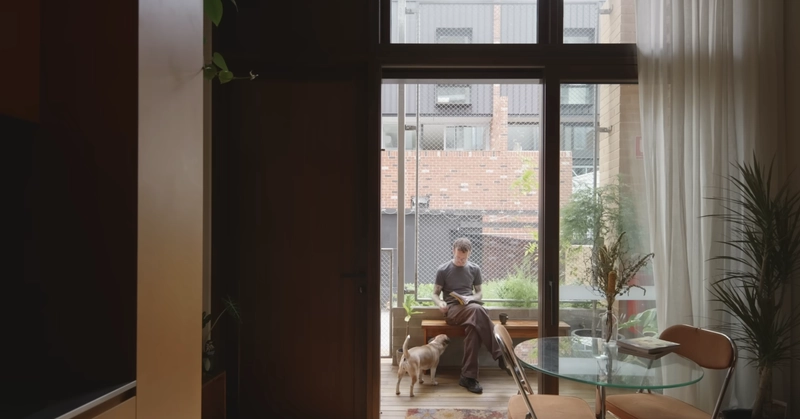
Even in the densest cities, architecture must maintain a relationship with the natural world. This is achieved through biophilic elements and the strategic use of natural resources. Large windows are essential, not just for the view, but to bring in natural light and encourage airflow.
Furthermore, we often use natural textures to tell a story. In this project, the grains of the wood were selected to emulate the universe, inspired by the “Little Prince” and his house-sized asteroid. This narrative-driven design, combined with the presence of natural Adobe stone, ensures that the inhabitant feels connected to something larger than their 24sqm footprint.
By integrating these elements—precision in space, local and natural materials, and a focus on human habits—we move away from “mechanical” design and toward a version of modern living that is both efficient and profoundly personal.