The New Era of Intentional Living: Designing for Sustainability, Community, and Well-being
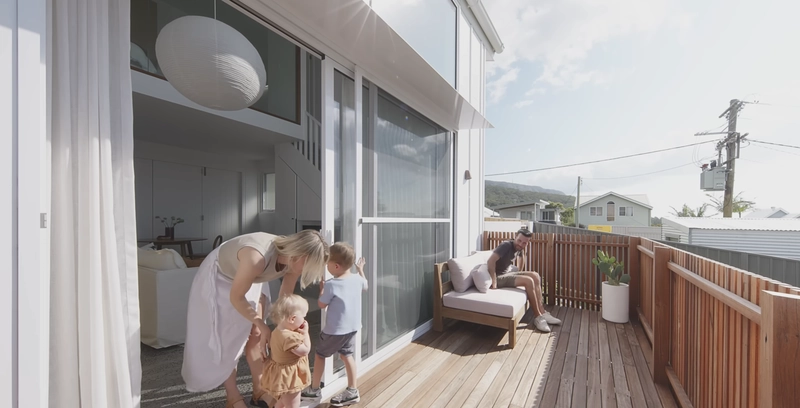
In the world of interior design, we are currently witnessing a profound shift away from the “bigger is better” mentality. Today’s most innovative projects, such as the Nightingale Preston in Melbourne, are championing a “triple bottom line” approach: housing that is simultaneously affordable, sustainable, and community-focused. As an interior designer, I see this trend—often referred to as “living lighter”—as a beautiful challenge to find poetry in the everyday through thoughtful reduction and intentional material choices.
The following insights explore how current trends in small-footprint living and “architecture of reductionism” can enhance your home’s comfort and your overall mood.
1. Harnessing Volume and Verticality
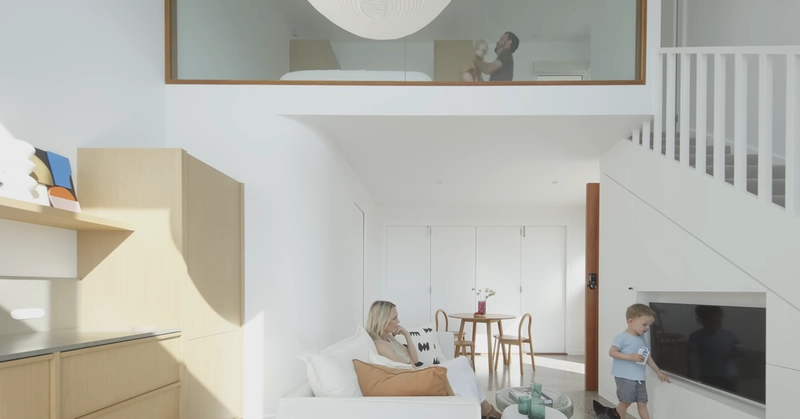
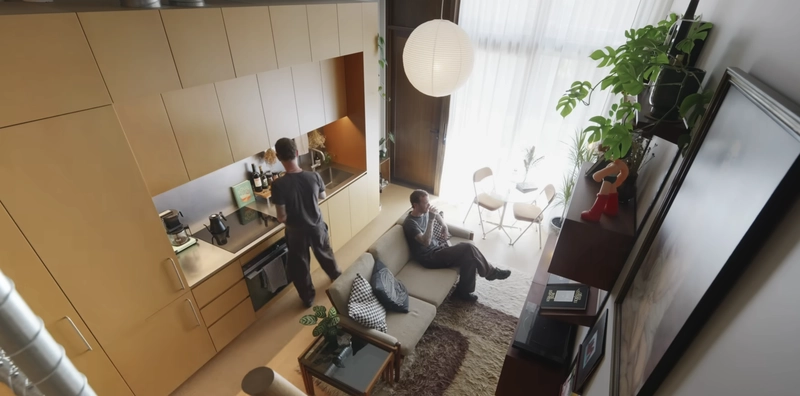
When working with a small footprint, such as a 28-square-meter “tile house,” the key to comfort lies in managing volume rather than just floor area. High ceilings (up to 4.5 meters) provide a great sense of spaciousness, but they must be balanced to maintain a sense of “home”.
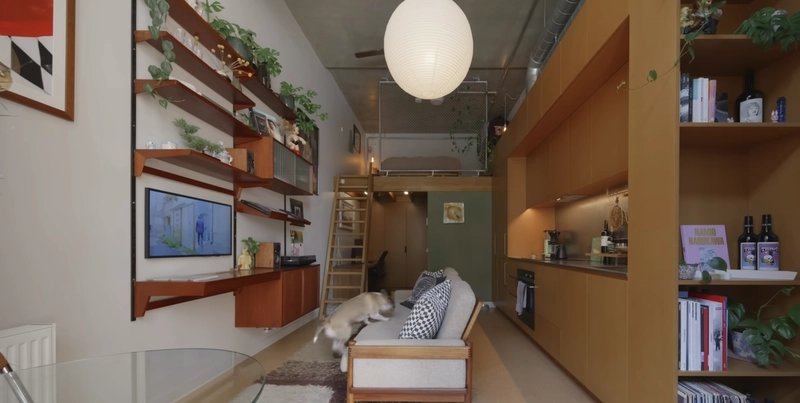
• Design Advice: To make a high-ceilinged room feel more intimate, use pendant lighting brought lower into the living area to create a “cozier” atmosphere. Conversely, in bathrooms or smaller lofts, keep structural elements like timber beams or concrete joists exposed to maximize every centimeter of height and volume.
2. The Psychology of “Floating” Elements
One of the most effective ways to boost the perceived size of a room—and thereby reduce the feeling of being “cramped”—is to keep the floor visible. In modern design, we achieve this through floating furniture.
• Design Advice: Choose a kitchen design or bathroom vanity that is picked up off the ground. Using mid-century pieces with legs that don’t touch the floor draws the eye up and makes the area feel more spacious underneath. Additionally, using a rug to frame the living room helps define the space without the need for restrictive walls.
3. Sustainability as a Sensory Experience
Modern trends are moving toward 100% electric, thermally efficient homes that eliminate operational carbon. However, sustainability isn’t just about energy; it’s about the materials we touch every day.
• Design Advice: Consider pre-finished cork flooring. Beyond being a carbon sequester, cork is soft underfoot and works to absorb impact sound, significantly improving the acoustic comfort of a home. For a cohesive, expansive feel in wet areas, use a singular material, such as brick tiles, that wraps from the floor up the walls to create a sense of height and continuity.
4. Integration with Nature and Community
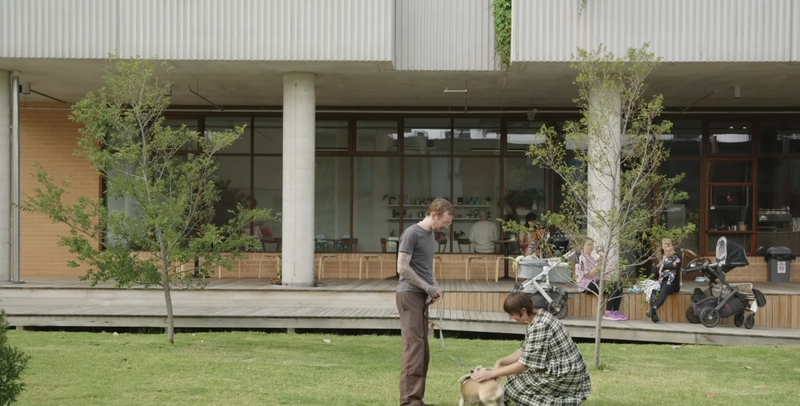
A major trend in urban design is the “part of house” (tile house) concept, where the private residence is small, but the “rest of the house” exists in shared amenities. This encourages a mood of connection rather than isolation.
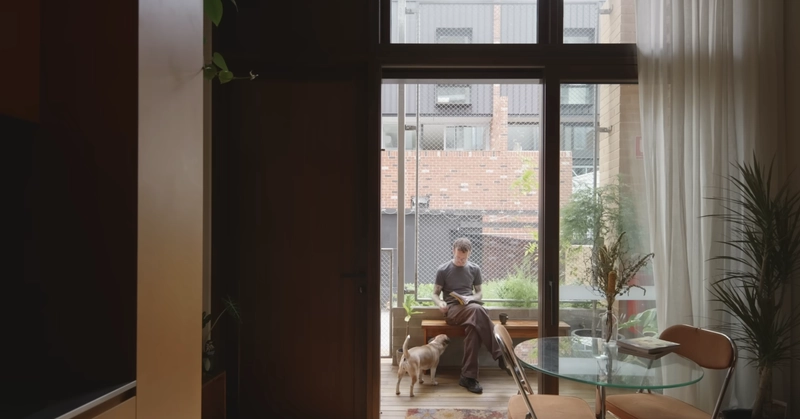
• Design Advice: Even in private spaces, you can mimic this by creating “growing platforms.” Use screens or diamond mesh to allow climbing plants like Devil’s Ivy to vegetate your facade or interior lofts. Integrating planter boxes and outdoor taps on decks allows you to treat outdoor areas as an extension of your life, fostering a connection to nature that is vital for mental well-being.
5. Multi-functional “Nooks” and Reductionism
Current design leans into reductionism—taking out unnecessary ceiling linings or cabinetry to expose the raw structure of the building. This requires a highly curated approach to the items we do keep.
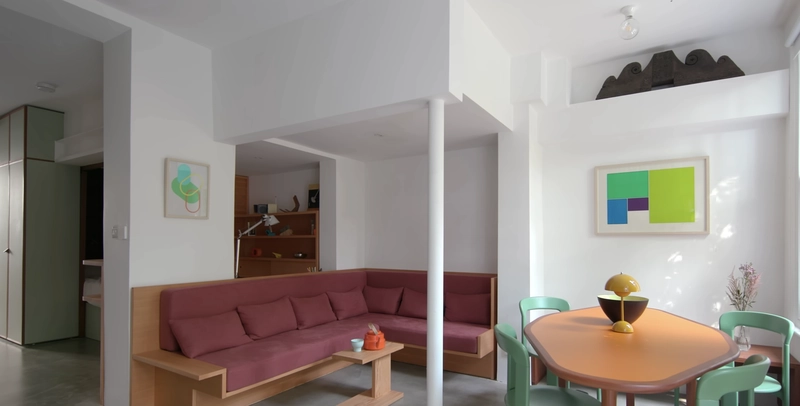
• Design Advice: Create multi-functional spaces, such as a study nook under a sleeping loft that is generous enough for two people to work. Use integrated appliances (like dishwashers and fridges) and full-height storage to reduce visual clutter, which in turn reduces mental stress.
By choosing materials that are recyclable—such as stainless steel and E0 MDF—and focusing on functional beauty (like exposed copper pipes or hardwood ladders), we create homes that are not just places to sleep, but sustainable starting points for a life well-lived. Living small does not mean living less; it means prioritizing the things that truly impact our comfort, our planet, and our joy.